BREAKING NEWS:
Latest news from Ukraine • War updates • Politics • Economy • International reactions • Latest news from Ukraine • War updates • Politics • Economy

Iran Launches Persian Gulf Strait Authority as Tehran and Washington Battle for Control of Hormuz

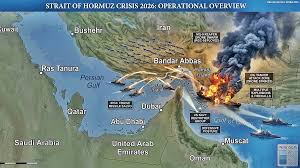
Iran has launched a new body called the Persian Gulf Strait Authority, requiring all ships wishing to cross the Strait of Hormuz to register, fill out forms, and pay a toll before receiving a transit permit. The move represents Tehran's most formalised attempt yet to assert sovereign governance over a waterway that carries roughly 20 per cent of the world's seaborne oil trade.

Under the new system, vessels intending to transit the strait receive an email from an address associated with the Persian Gulf Strait Authority, informing them of the passage regulations. 'Ships intending to transit the Strait of Hormuz [will] receive an email from This email address is being protected from spambots. You need JavaScript enabled to view it., informing them of the transit regulations of the Strait of Hormuz. They then adjust themselves to this framework and receive a transit permit,' a statement attributed to the PGSA said. The authority's logo, bearing the name 'Persian Gulf Strait Authority — Islamic Republic of Iran,' was also shared publicly on social media on 5 May 2026.

A Tollbooth Turned Institution

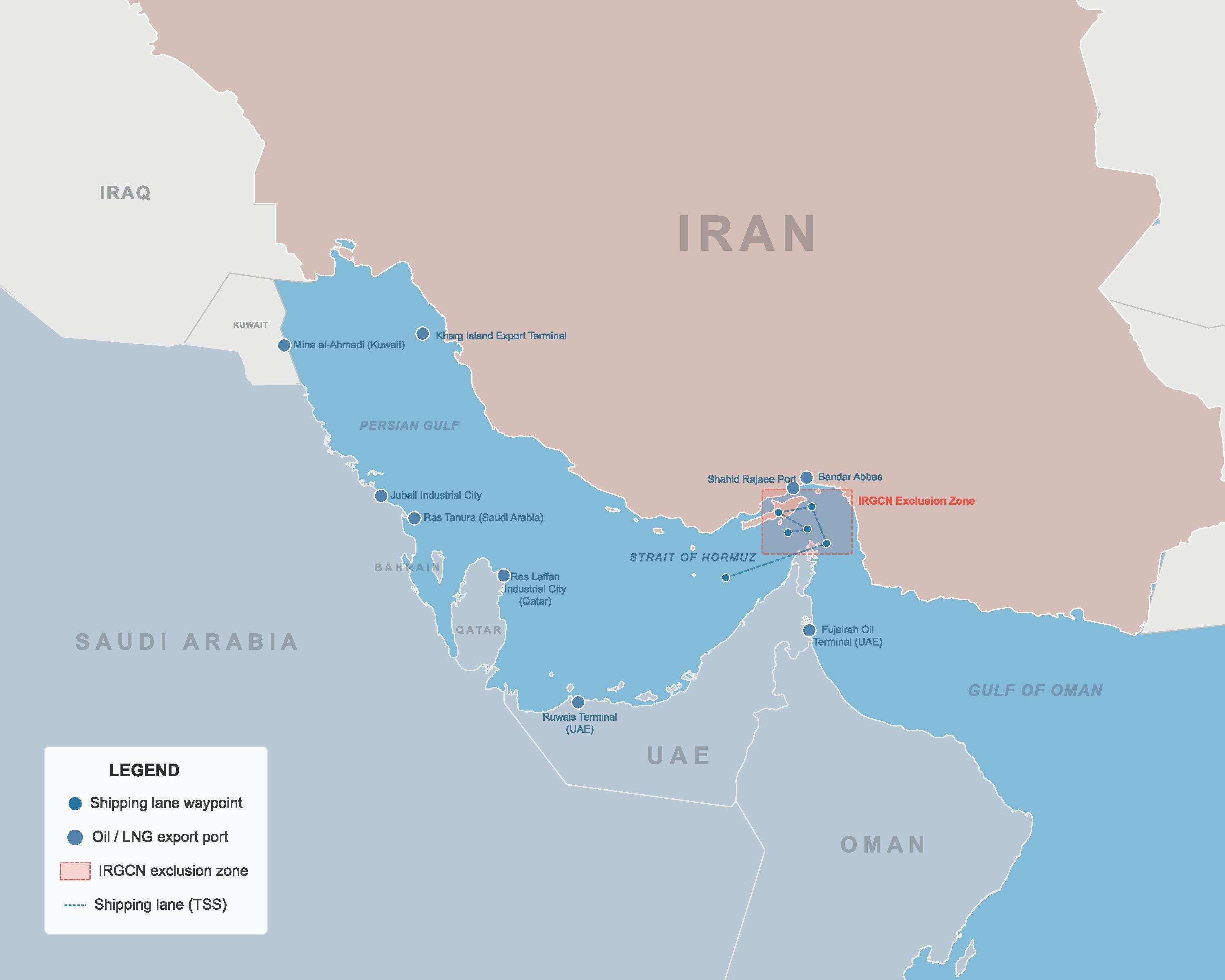
The PGSA did not emerge in a vacuum. Merchant ships had already been trickling through the Strait of Hormuz as the Islamic Revolutionary Guards Corps set up a tolled passageway in an earlier attempt to control the vital waterway, with ships navigating around Iran's Larak Island rather than through the previously standard international corridor.

Iranian lawmaker Alaeddin Boroujerdi had already confirmed the toll practice in late March, stating that 'now, because war has costs, naturally, we must do this and take transit fees from ships passing through the Strait of Hormuz.' The formalisation of that system through the PGSA now gives it an institutional face.

Iranian state media had previously reported on plans to continue charging transit fees to some ships, making it lucrative for Iran to try to retain control of the waterway. The PGSA appears to be the formal realisation of those plans.

Direct Collision With Trump's Project Freedom

Iran's claims of a policy shift came on the heels of President Donald Trump's Project Freedom, which aims to force Iran to open the strait. On 4 May, the US Navy began escorting neutral vessels through Hormuz as part of the initiative, with two American-flagged merchant ships successfully completing the transit. The US military said it fired on Iranian forces and sank six small boats targeting civilian ships as it moved to reopen the strait.

The dual moves — Tehran launching a permit authority and Washington deploying naval escorts — place both powers in direct and simultaneous competition over who controls passage through the 34-kilometre-wide chokepoint. The US has warned shipping companies that they could face sanctions for paying Iran for transit of the Strait.

Why Hormuz Matters

The strait's two unidirectional sea lanes facilitate the transit of around 20 million barrels of oil per day, representing roughly 20 per cent of global seaborne oil trade, primarily from producers like Saudi Arabia, the United Arab Emirates, Iraq, and Qatar.

Before the United States and Israel launched their attacks on Iran in late February, about 3,000 vessels typically passed through the Strait of Hormuz each month. But since the war began, traffic has been reduced to a trickle, with just 191 vessels recorded crossing in the entire month of April.

Sultan al-Jaber, chief executive of Abu Dhabi's state oil company ADNOC, has described any restriction on passage as 'economic terrorism,' warning that 'when Iran holds Hormuz hostage, every nation pays the ransom at the gas pump, at the grocery store, at the pharmacy.'

What Comes Next

With the PGSA now operational and the US Navy actively escorting vessels, both Tehran and Washington are staking their positions over what has become one of the most consequential maritime flashpoints in decades.

The launch of the Persian Gulf Strait Authority marks a significant escalation in Iran's effort to institutionalise its control over Hormuz. Rather than relying solely on military force, Tehran is now using bureaucratic and administrative mechanisms to assert sovereignty — a shift that complicates international legal challenges and puts pressure on shipping companies caught between Iranian permit demands and threatened US sanctions.
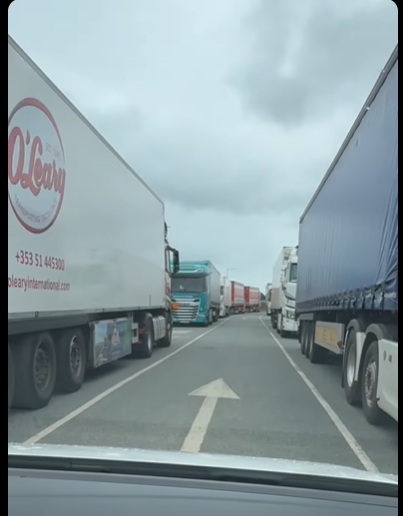
Ireland Grinds to a Halt: Truck Drivers Strike Over Fuel Prices and Immigration.

Truckers in Ireland have gone on strike in protest against rising fuel prices and poor working conditions. The strike has caused disruptions to supply chains and transportation networks across the country, leading to shortages of essential goods and services.The truckers are demanding better pay,

The Strait of Hormuz: Is the price of peace $2 million?

While Iran was striking Arab countries in the region, the President of the United States seemed to be in some different reality. While explosions were being heard in Saudi Arabia, Bahrain, Kuwait, and the United Arab Emirates, Trump was writing the following:

Trump Calls Ukraine War a Top Priority While Renewing Attacks on Zelensky

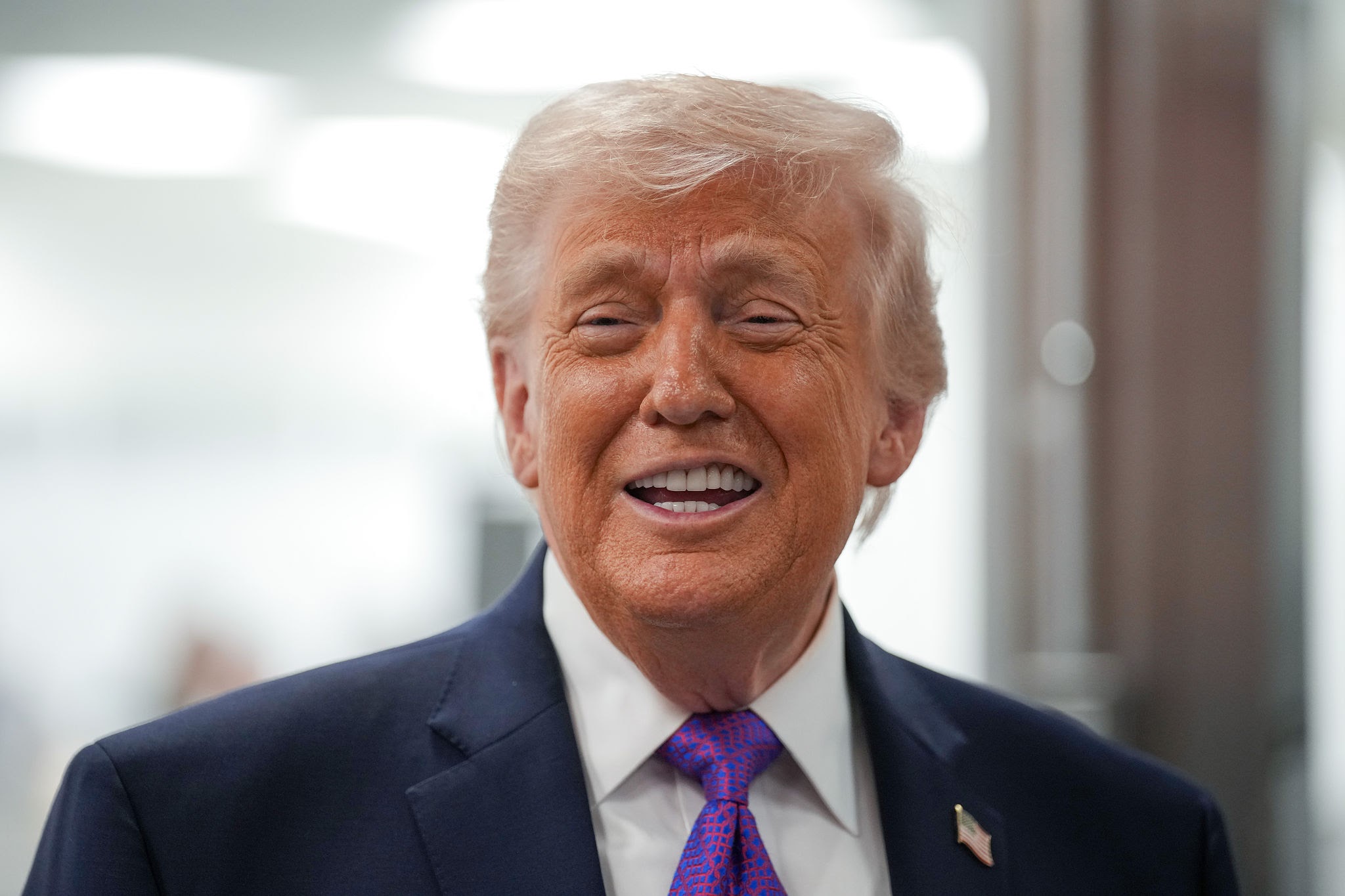
US President Donald Trump said Tuesday, March 3, that settling Russia’s war against Ukraine remains “very high” on his list of priorities, even as he launched a fresh attack on Ukrainian President Volodymyr Zelensky over US military aid and weapons stockpiles.

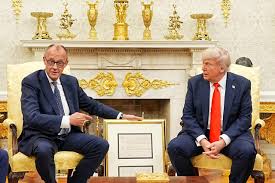
Trump made the remarks during a meeting with German Chancellor Friedrich Merz at the White House, where he was asked about the status of efforts to end the war.

Trump says war against Iran will not last 'much longer’:

​​​​​​WASHINGTON

President Donald Trump said Tuesday that he believes the Iran war will not last "much longer" and that the Strait of Hormuz will reopen "automatically" when US leaves, according to a New York Post report.

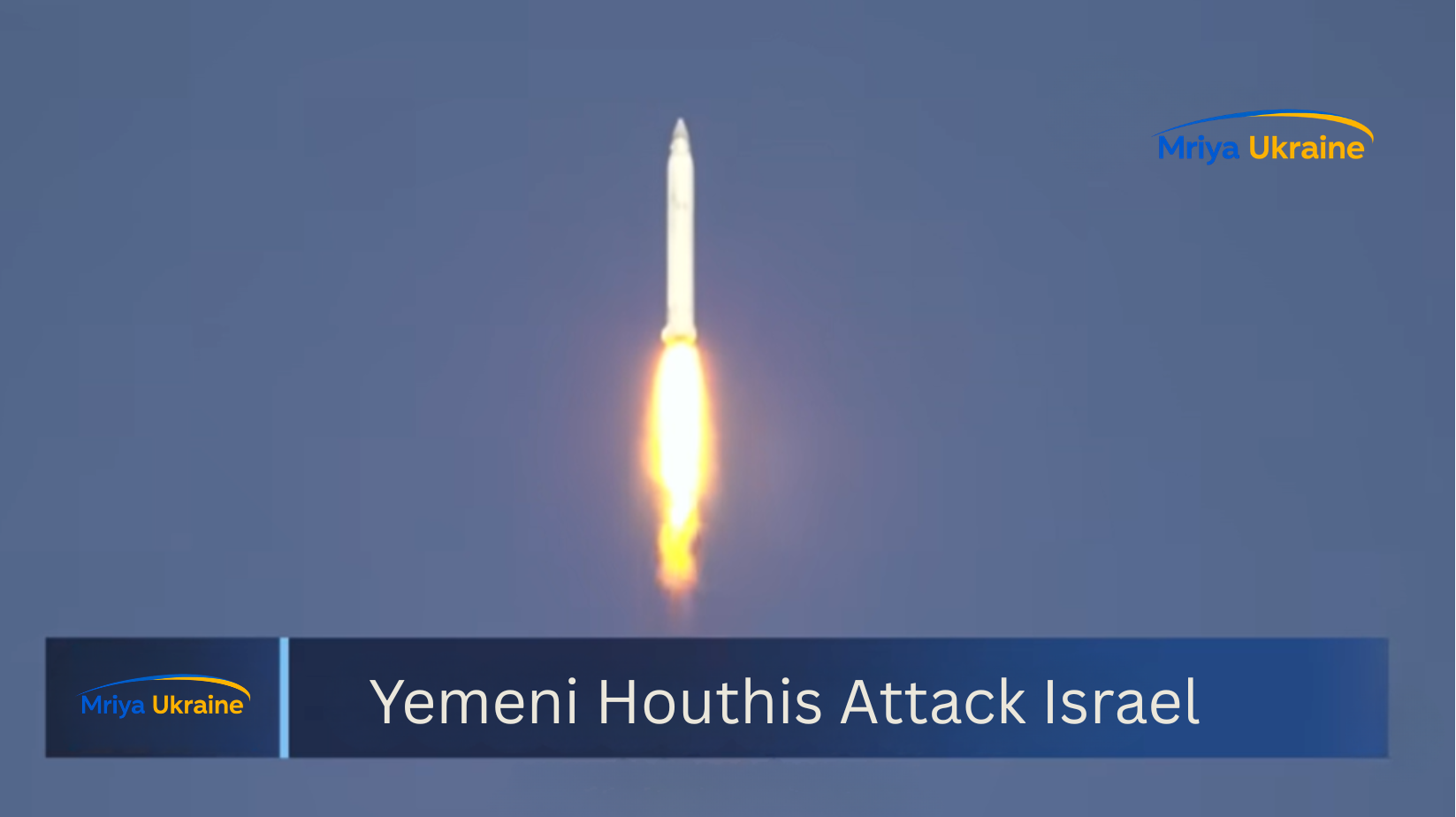
From Yemen to Israel: Is the Conflict Turning Into a Regional Chain Reaction?

The only surprising thing here is why it took so long to speak about it. The United States and Israel now face a new — yet familiar — adversary in the region, and another participant has entered the war. A new front has just opened.

Is Hezbollah Preparing for a New War with Israel?

By Laila Bassam, Maya Gebeily and Maayan Lubell

BEIRUT, March 5 (Reuters) - Lebanese armed group Hezbollah spent months restocking its arsenal of rockets and drones, using support from Iran and its own weapons factories to prepare for a new war with Israel, six sources familiar with the group's preparations said.

Putin Admits Economic Slowdown?

Yekaterina Oreshkina, owner of the BonCafe, packs items from a cafe she closed in Moscow due to rising food prices, rent, and taxes, while keeping other outlets open. (Reuters pic)
MOSCOW: Restaurants and cafes are closing down in Russia at the fastest pace since the start of the war in Ukraine four years ago as consumption stalls even in affluent Moscow.

The closures, visible on streets from the capital to Vladivostok 6,500 km east on the Pacific Ocean, point to a significant slowdown in Russia’s US$2.8 trillion economy, which has so far proved surprisingly resilient in the face of stringent Western sanctions.

Iran Threatens Retaliation as Trump Extends Strait Deadline Amid Escalating Conflict

Why ending the war in Iran is getting harder

President Trump boards Air Force One Wednesday on his way to Dover Air Force Base to pay his respects to six U.S. service members who were killed last week. Jim Watson/AFP via Getty Images hide caption

toggle caption
Jim Watson/AFP via Getty Images

Yesterday, Iran warned that if the United States were to strike its electricity production facilities, it would respond with harsh retaliation against the U.S. and its allies. Iranian officials stated that energy infrastructure in allied countries is within range of Iranian missile strikes and could be targeted in response.

Today, Donald Trump announced that he is extending the deadline for Iran to reopen the strait for commercial shipping from the previously stated three days to five days.

Global fuel prices surge as tensions in the Ormuz Strait disrupt oil supply. Poland faces high fuel costs as Orlen maintains elevated pricing strategies.

In the heart of Europe, the Polish fuel market is currently facing a challenging landscape as Orlen, the nation’s largest fuel supplier, continues to maintain elevated fuel prices. This practice has been attributed to the company relying on stockpiles acquired before the recent disruptions in the Ormuz Strait, a crucial maritime route for global oil supply. Critics, including notable figures like Minister of Education Przemysław Czarnek, have voiced their discontent, comparing the current pricing strategy unfavorably to past management practices.

Background: The Ormuz Strait Crisis

Netherlands joins plan to protect shipping in Strait of Hormuz

The Netherlands has said it is ready to join other countries to protect ships passing through the Strait of Hormuz, which has been blockaded by Iran since the US and Israel began its bombing campaign.

Six countries, including the United Kingdom, France, Germany, Italy and Japan, issued a joint statement on Thursday condemning Iran’s actions, saying it violated United Nations resolutions and international law.

Trump Denies Knowledge of Israeli Military Actions Against Iran Amid Rising Tensions in the Middle East

Escalating Conflicts and Economic Implications

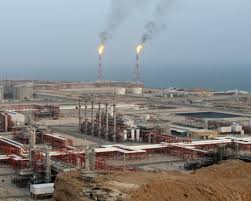
In a recent discussion on Bloomberg’s China Show, former President Donald Trump asserted that he “knew nothing” about the Israeli military’s attack on Iran’s South Pars gasfield. This revelation comes at a time of increasing hostilities between Iran and Israel, particularly concerning military strikes on energy facilities across the Middle East. As tensions rise, the implications for global energy markets and economic stability are becoming increasingly pronounced.