
While Iran was striking Arab countries in the region, the President of the United States seemed to be in some different reality. While explosions were being heard in Saudi Arabia, Bahrain, Kuwait, and the United Arab Emirates, Trump was writing the following:
“The United States will work closely with Iran, which, as we have determined, has undergone a very productive regime change. There will be no uranium enrichment. We are discussing and will continue to discuss easing tariffs and sanctions with Iran. Many of the 15 points have already been agreed upon.
Iran hasn’t yet announced who will be representing the country during talks this weekend with the US, led by Vice President JD Vance, Steve Witkoff and Jared Kushner.
Many of the regime’s top-ranking officials have been killed by US-Israeli strikes, including those who played a key role in previous negotiations as well as the country’s former Supreme Leader Ayatollah Ali Khamenei.
Here are three officials who could represent Tehran in the talks in Pakistan:

Mohammad Bagher Ghalibaf, speaker of the Iranian parliament and former Tehran mayor, has emerged as a key interlocutor with the Trump administration throughout the war, and some Iranian media reports have suggested he could be heading this round of talks for Iran.
A regime insider with a reputation for suppressing dissent, Ghalibaf joined the Islamic Revolutionary Guard Corps (IRGC) as a teenager and has devoted his life to the Islamic Republic. He once bragged about beating protestors with “wooden sticks.”
Ghalibaf has the “credentials that matter in Tehran — IRGC pedigree, establishment ties, and a pragmatic instinct for regime preservation,” Ali Vaez, Director of the Iran Project at the International Crisis Group, told CNN. But he is allied with the regime, not the US, Vaez said.
“If he rises further, Iran is more likely to become more militarized than moderate.”

Abbas Araghchi, Iran’s foreign affairs minister since 2024, is a career diplomat who has become one of the main international voices for Tehran, traveling around the world to negotiate on its behalf. He lived in the UK for three years in the 1990s, where he obtained a PhD in political thought. His supervisor told the Times of London that Aragchi had been “at ease in this country” and got on well with other students.
He is known for being tough yet pragmatic in his extensive engagements with the West, including during the discussions that led to the Iran nuclear deal in 2015. Despite his overtures with the US, Araghchi is a staunch defender of the regime and publicly backed the violent crackdown against protesters earlier this year.
Iranian President Masoud Pezeshkian is Tehran’s second-highest ranking official and head of government, though his office’s power has eroded in recent years in a nation where the clerical and military elite hold the true reins of power. A former surgeon, Pezeshkian has advocated for modest political and social reforms in Iran but has maintained loyal to the regime.
Earlier this month he penned an open letter to the American people asking whether the war truly served their interests.
But the situation at the moment is like this.
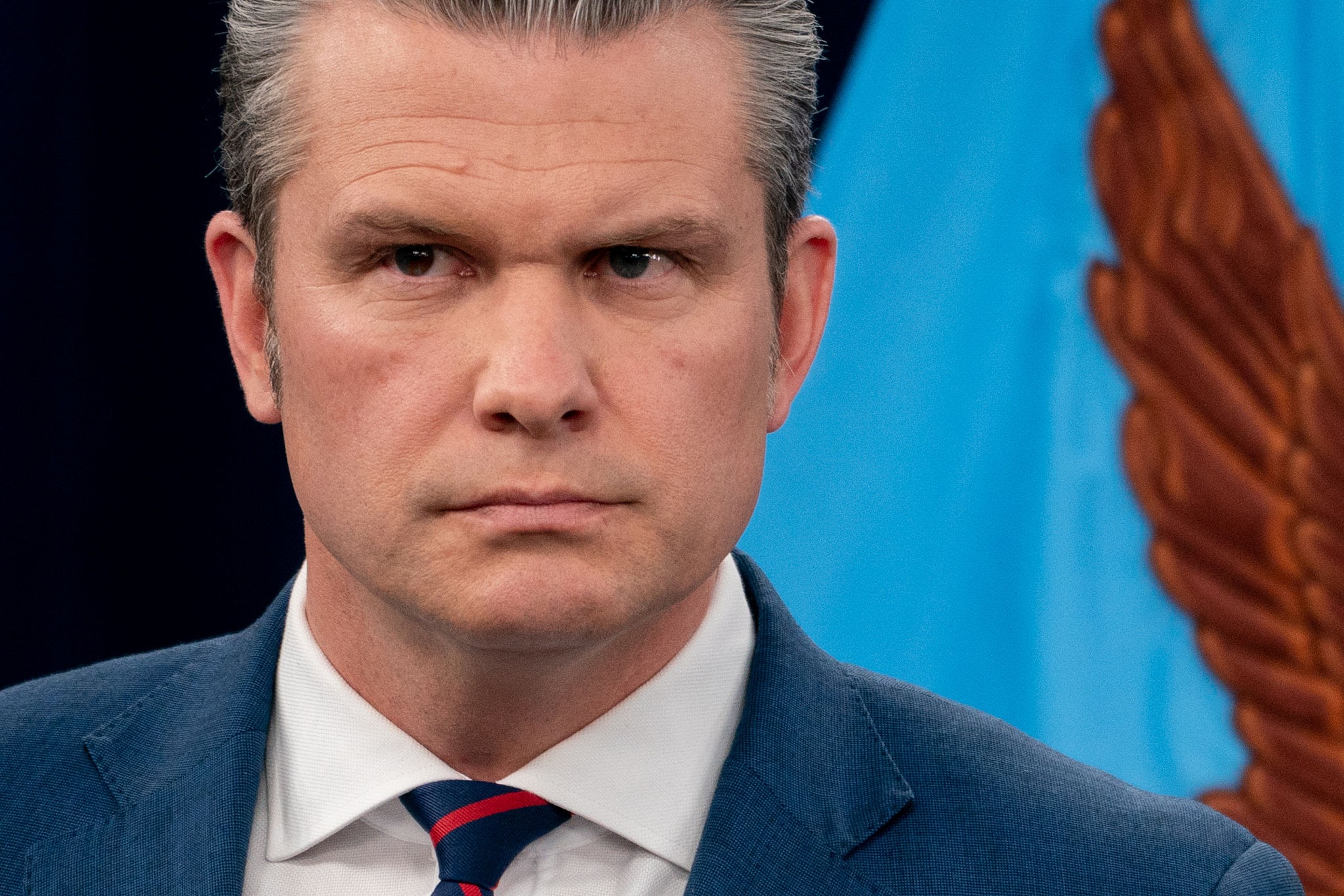
Iran is shelling Arab countries, but at least the Strait of Hormuz remains open. This was confidently stated by Pentagon chief Pete Heg. “As for the strait, you saw the initial agreement that was reached — namely that Iran allowed ships to pass through it. So this will continue, they will pass.”
However, there is other information. According to The Wall Street Journal, ships near the Strait of Hormuz are receiving warnings from the Iranian navy. Passage is only allowed with permission from the authorities of the Islamic Republic. Without it, there is a risk of destruction.
Later, reports emerged that the first vessels had crossed the strait, but they were few in number. Meanwhile, hundreds of ships are waiting in the waters of the Persian Gulf, including 426 tankers and more than 50 gas carriers.
The “tribute” that the regime is charging tankers was openly announced on Iranian state television — $2 million. Iranian propagandists have even estimated that, from this racket alone, the ayatollah and his associates could earn $64 billion per year.
What do you think — will the talks between the US and Iran bear fruit?